
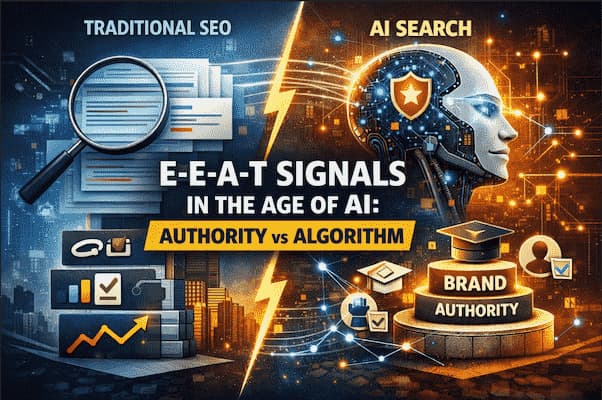
*How Brand Authority Becomes Your Defensive Moat Against AI Search Volatility*
What is Algorithm?: A structured sequence of computational rules and probabilistic models employed by search engines (e.g., Google’s PageRank derivatives) or AI systems (e.g., LLMs like GPT via RAG) to process queries, retrieve/evaluate sources, and output ranked or synthesized results. Key attributes include weighted signals (relevance 30-40%, authority 20-30%), real-time updates, and black-box opacity, prioritizing efficiency, freshness, and user signals (CTR, dwell) in traditional SEO vs. entity salience in AI.
What is Authority?: The multifaceted recognition of an entity (brand, author, organization) as a credible, expert source on specific topics, quantified through E-E-A-T signals (Experience: practical proof; Expertise: depth/knowledge; Authoritativeness: citations/endorsements; Trustworthiness: verification/transparency). In AI search, authority manifests as consistent citations across models, derived from signal stacks (e.g., KG presence, original data), creating “moats” against volatility (40-60% monthly shifts per your article).
The Paradigm Shift You Can’t Ignore
The rules of SEO have fundamentally changed and most businesses haven’t noticed yet.
While you’ve been optimizing title tags and chasing keyword density, AI search engines have quietly rewritten how they determine what content deserves to rank. The old playbook of technical SEO checklists and backlink building is giving way to something far more powerful: brand authority as the primary ranking signal.
Here’s the wake-up call: AI search doesn’t just rank pages anymore. It ranks brands before pages.
This shift represents the most significant disruption in search since Google launched PageRank. When Google’s AI Overviews, ChatGPT Search, and Perplexity cite sources, they’re not evaluating individual pages in isolation. They’re asking a different question entirely: *”Do we recognize and trust the entity behind this content?”*
The data tells a sobering story. Recent analyses show 40-60% citation changes monthly in AI search results. One month your content might be prominently featured; the next, it’s vanished, replaced by a competitor who invested in building recognizable authority signals while you focused on traditional SEO tactics.
But this volatility also creates opportunity. Businesses that understand the new signal stack approach to E-E-A-T (Experience, Expertise, Authoritativeness, Trustworthiness) aren’t just surviving the AI transition, they’re building defensive moats that make their search visibility increasingly resistant to algorithm shifts.
This article isn’t another checklist of E-E-A-T boxes to tick. It’s a strategic framework for transforming your brand into an authority signal that AI systems recognize, remember, and repeatedly cite, regardless of which algorithm version happens to be running today.
Understanding the New AI Search Landscape
How AI Search Actually Works (And Why Old SEO Falls Short)
Traditional search engines operated like sophisticated librarians. They indexed content, matched queries to keywords, and ranked pages based on relevance signals and authority metrics like backlinks. The system was deterministic: do X, Y, and Z correctly, and you’d likely rank.
AI search operates more like a research assistant. Large Language Models (LLMs) powering tools like Google’s AI Overviews, ChatGPT Search, and Perplexity don’t just match keywords they synthesize information, evaluate source credibility, and generate contextual responses.
This changes everything about how content gets surfaced.
The Critical Difference:
Traditional Google Search: *”Show me pages containing these keywords, ordered by PageRank and relevance signals.”*
AI Search: *”I need to answer this question accurately. Which sources do I recognize as authoritative on this topic? Which entities have demonstrated expertise across multiple contexts? Who should I trust?”*
The AI isn’t evaluating your page in isolation. It’s evaluating whether your brand(your entity) has established enough authority signals to be worth citing.
The Volatility Problem: Why Citations Change 40-60% Monthly
Here’s what should keep every SEO professional awake at night: AI search citations are incredibly volatile.
Studies tracking AI search results across multiple platforms reveal that 40-60% of citations change from month to month. This isn’t minor position fluctuation, this is wholesale replacement of which sources get featured.
Why such dramatic instability?
1. Training Data Updates: LLMs are constantly retrained on new information, changing their internal “understanding” of which entities are authoritative
2. Context Window Limitations: AI systems can only cite sources they can access and process in real-time
3. Emerging Entity Recognition: New authority signals are constantly being weighted and adjusted
4. Query Intent Evolution: As AI understands user intent better, it adjusts which types of sources it trusts for different queries
This volatility creates a vicious cycle for brands relying on traditional SEO. You optimize for today’s algorithm, see results, then watch them evaporate next month when the AI’s training data updates and your authority signals weren’t strong enough to survive the transition.
The solution isn’t chasing algorithm updates. It’s building authority signals so robust that AI systems consistently recognize your brand across training iterations, making you algorithm-resistant rather than algorithm-dependent.
The Signal Stack Approach: Beyond Checklist E-E-A-T
Why Checklist Mentality Fails in AI Search
Search the web for “E-E-A-T SEO” and you’ll find hundreds of articles offering the same advice:
- Add author bios
- Include publication dates
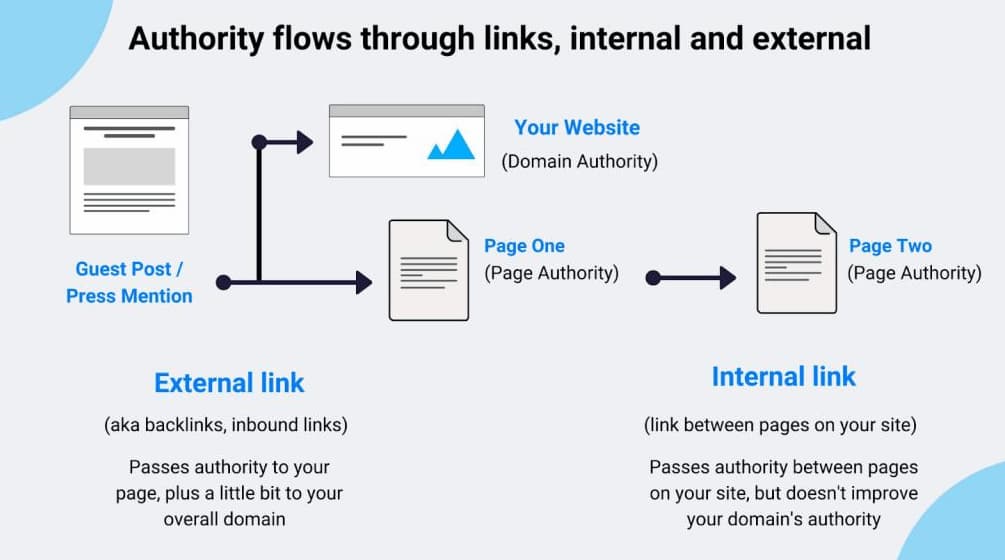
- Build high-quality backlinks
- Create comprehensive content
- Display credentials and certifications
This checklist approach isn’t wrong, it’s just insufficient.
AI systems don’t work through checklists. They develop probabilistic understandings of entity authority based on signal patterns across multiple dimensions. A single signal (like an author bio) provides minimal confidence. But a stack of reinforcing signals, author expertise demonstrated across platforms, brand mentions in trusted contexts, consistent topic authority, and community recognition creates a high-confidence assessment that your entity deserves citation.
Think of it this way: traditional SEO asked “Does this page have the right elements?” AI search asks “Do we consistently see signals that this entity is authoritative on this topic across multiple trusted contexts?”
The first question can be answered with a checklist. The second requires a signal stack strategy.
| Dimension | What It Answers | Key Signals |
| Entity Recognition | “Who are you?” | Knowledge Graph, Schema, NAP consistency |
| Expertise Demonstration | “Do You Know Your Topic” | Depth, research, technical accuracy |
| Author Authority | “Who is Behind This” | Credentials, cross-platform presence |
| Trust Validation | “Can Others Vouch For You” | Reviews, media mentions, awards |
| Consistency & Longevity | “Are You Reliable Over Time” | Publishing history, topic focus |
Building Your Signal Stack: The Five Dimensions of Authority
Effective E-E-A-T in the AI age requires signal stacking across five key dimensions:
1. Entity Recognition Signals
Can AI systems identify and distinguish your brand as a unique entity?
- **Knowledge Graph presence:** Is your brand in Google’s Knowledge Graph? Do you have a Wikipedia page or Wikidata entry?
- **Consistent NAP (Name, Address, Phone):** Does your entity information remain consistent across platforms?
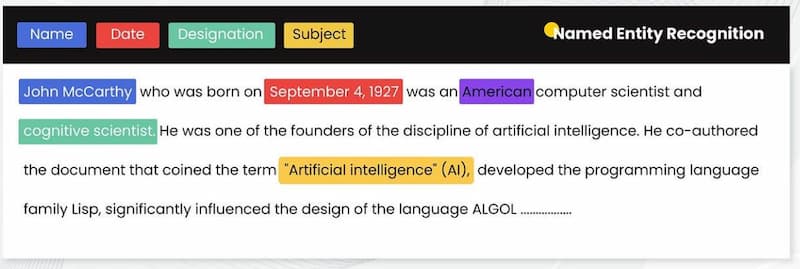
- **Entity disambiguation:** When your brand name appears, can AI distinguish it from similarly named entities?
- **Structured data markup:** Schema.org implementation that helps machines understand your entity type and attributes
Tactical Implementation:
- Claim and optimize your Google Business Profile (even for online businesses)
- Implement Organization schema with comprehensive attributes
- Ensure consistent branding across all digital properties
- Build presence on entity databases (Crunchbase, LinkedIn Company Pages, industry directories)
2. Expertise Demonstration Signals
Does your content consistently demonstrate genuine expertise?
- **Depth over breadth:** Comprehensive coverage of specific topics rather than superficial treatment of many
- **Original research and data:** Primary sources that only experts can provide
- **Technical accuracy:** Content that demonstrates insider knowledge and uses appropriate terminology
- **Problem-solution alignment:** Understanding of audience pain points and practical solutions
Tactical Implementation:
- Publish original research, surveys, and data analysis
- Create content that answers questions only experts would think to ask
- Develop topic clusters that demonstrate comprehensive subject mastery
- Include case studies with specific, verifiable results
3. Author Authority Signals
Are the humans behind your content recognized as authorities?
- **Author entity presence:** Do your authors have recognizable digital identities?
- **Cross-platform expertise signals:** Is the same author cited across multiple trusted sources?
- **Credential verification:** Can AI systems verify claimed expertise and qualifications?
- **Content attribution consistency:** Is authorship consistently attributed and linked?
Tactical Implementation:
- Create detailed author pages with schema markup
- Encourage authors to build personal brands on LinkedIn, Twitter, industry publications
- Obtain verifiable credentials and certifications
- Guest post on recognized industry publications to build cross-platform authority
- Use author schema with sameAs links to social profiles and professional pages
4. Trust Validation Signals
Do external sources validate your trustworthiness?
- **Brand mentions in authoritative contexts:** Is your brand cited by recognized authorities?
- **Review and rating patterns:** Consistent positive feedback across review platforms
- **Media coverage and press mentions:** Third-party validation from news and industry publications
- **Professional association memberships:** Industry organization affiliations
- **Awards and recognitions:** Third-party validation of excellence
Tactical Implementation:
- Build relationships with industry journalists and publications
- Encourage and respond to customer reviews across platforms
- Apply for relevant industry awards and certifications
- Join and actively participate in professional associations
- Create press-worthy content that generates organic media coverage
5. Consistency and Longevity Signals
Has your authority been demonstrated consistently over time?
- **Content publication history:** Regular demonstration of expertise over months/years
- **Topic consistency:** Staying focused on specific subject areas rather than chasing trends
- **Entity persistence:** Maintaining consistent brand identity without frequent pivots
- **Engagement patterns:** Ongoing interaction and community building rather than one-off campaigns
Tactical Implementation:
- Maintain consistent editorial calendar in core topic areas
- Update and refresh evergreen content to demonstrate ongoing expertise
- Build community through consistent engagement (comments, social media, forums)
- Archive and showcase historical content to demonstrate longevity
The Compounding Effect
Here’s why the signal stack approach works: each additional signal type increases AI confidence exponentially, not linearly.
A brand with strong entity recognition but weak expertise demonstration might achieve baseline visibility. But a brand with strong signals across all five dimensions creates a compounding effect where AI systems develop high confidence in their authority, making them the default citation choice regardless of minor algorithm adjustments.
This is how you build algorithm resistance: not by perfectly optimizing for today’s AI model, but by creating such a robust signal stack that you remain recognizable and authoritative across model iterations.
Why AI Search Ranks Brands Before Pages
The Recognition Principle
Consider how you choose sources when researching a topic yourself. When you need medical information, you might gravitate toward Mayo Clinic or Johns Hopkins, not because you’ve evaluated each specific page, but because you recognize these institutions as authoritative in healthcare.
AI search operates on the same recognition principle, but at a massive scale.
LLMs are trained on billions of documents. During training, they develop statistical understandings of which entities appear in authoritative contexts, which brands are cited by trusted sources, and which names correlate with accurate information. This recognition becomes a filtering mechanism: when processing a query, AI systems first identify recognized authorities on the topic, then evaluate specific content from those authorities.
The implication: If AI doesn’t recognize your brand as an authority, your individual pages rarely get evaluated at all.
The Efficiency Imperative
There’s also a practical reason AI search favors brand-level authority assessment: efficiency.
Evaluating every potential source for every query would be computationally prohibitive. By maintaining a “shortlist” of recognized authorities for different topic areas, AI systems can quickly narrow potential sources to a manageable set and then evaluate specific content quality within that trusted subset.
This creates a two-tier system:
Tier 1: Recognized Authorities
- Brands AI systems consistently see cited in trusted contexts
- Entities with strong signal stacks across multiple dimensions
- Default citation choices unless content quality is poor
Tier 2: Unrecognized Entities
- Brands without sufficient authority signals
- Occasionally surfaced for specific long-tail queries
- Vulnerable to algorithm volatility and training data changes
The goal of signal stack E-E-A-T isn’t just to create good content—it’s to move your brand from Tier 2 to Tier 1, making you part of the recognized authority shortlist for your topic areas.
Evidence: Brand Mentions in AI Citations
You can see this brand-before-pages principle in action by analyzing AI search citations. Look at Google’s AI Overviews, ChatGPT Search responses, or Perplexity answers for queries in your industry.
What you’ll typically find:
1. Brand-Heavy Citations: AI systems often cite brands by name even when linking to specific pages, “According to [Brand]…” or “[Brand] reports that…”
2. Repeated Brand Patterns: The same brands appear across multiple related queries, suggesting brand-level authority recognition
3. Authority-Based Ranking: Within AI citations, more authoritative brands get preferential placement even when their specific content isn’t dramatically different from competitors
This pattern confirms the shift: AI search has moved from page-level evaluation to entity-level authority assessment.
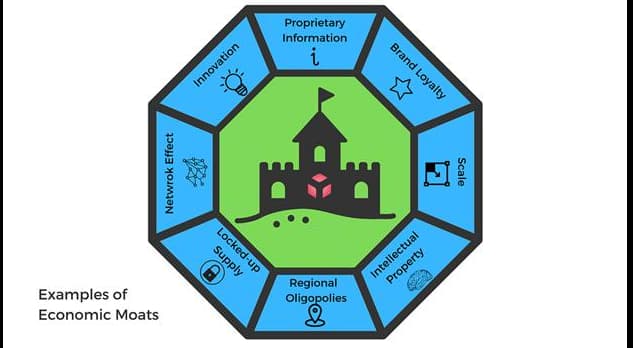
E-E-A-T as Defensive Moat: Protecting Against Algorithm Volatility
The Moat Concept
In business strategy, an “economic moat” refers to competitive advantages that protect a company from competitors, like brand loyalty, network effects, or proprietary technology. Warren Buffett famously seeks companies with wide moats because they’re more resilient to market changes.
In the AI search era, E-E-A-T signal stacking creates a defensive moat around your search visibility.
Here’s how it works:
1. Signal Accumulation: Each authority signal you build such as Knowledge Graph presence, author expertise, media mentions, and original research adds to your defensive perimeter
2. Recognition Lock-In: As AI systems develop strong entity recognition for your brand, changing that recognition requires overwhelming contradictory evidence
3. Citation Habit Formation: When AI systems repeatedly cite your brand across training data, you become a “habitual” source for your topic areas
4. Competitive Barrier: Building comprehensive signal stacks requires time and investment, competitors can’t quickly replicate your defensive position
The result: while competitors optimized for traditional SEO see 40-60% monthly citation volatility, brands with strong E-E-A-T moats maintain consistent visibility despite algorithm changes.
Case Study: Weathering Training Data Updates
Consider two hypothetical companies in the fitness industry:
Company A: Traditional SEO Approach
- Optimized title tags and meta descriptions
- Built backlinks through guest posting
- Created comprehensive content targeting keywords
- Achieved strong traditional rankings
Company B: Signal Stack E-E-A-T Approach
- All of Company A’s tactics, PLUS:
- Founder recognized as fitness expert with published books and speaking engagements
- Original research cited by major health publications
- Strong Knowledge Graph presence
- Authors with verifiable credentials and cross-platform authority
- Consistent media coverage and industry awards
When a major LLM training data update occurs:
- **Company A:** Citation rates drop 50% because the new training data doesn’t include their recent backlink building, and their authority signals weren’t robust enough to survive the transition
- **Company B:** Citation rates remain stable because their entity recognition is based on multiple signal types across years of data, no single training update can eliminate their authority presence
This is the power of the E-E-A-T moat: it makes your search visibility algorithm-resistant rather than algorithm-dependent.
Building Your Moat: Long-Term Strategy
Creating an E-E-A-T defensive moat requires shifting from short-term SEO tactics to long-term authority building:
Year 1: Foundation
- Implement comprehensive schema markup
- Create detailed author profiles with credential verification
- Begin original research and data publication
- Establish consistent NAP across all platforms
Year 2: Recognition
- Target Knowledge Graph inclusion through structured data and entity building
- Build author authority through guest contributions to recognized publications
- Generate media coverage through newsworthy content and expert commentary
- Develop topic clusters demonstrating comprehensive expertise
Year 3: Moat Widening
- Original research becomes widely cited, creating self-reinforcing authority
- Authors become recognized industry experts with speaking invitations
- Brand achieves “default authority” status for key topic areas
- Competitors face significant barriers to replicating your signal stack
The key insight: E-E-A-T moats widen over time. The sooner you start building, the stronger your defensive position becomes and the harder it is for competitors to catch up.
Practical Implementation: Your 90-Day E-E-A-T Action Plan
Phase 1: Entity Foundation (Days 1-30)
Week 1: Technical Entity Setup
- [ ] Audit current schema markup implementation
- [ ] Add comprehensive Organization schema to homepage
- [ ] Implement Author schema on all content with author pages
- [ ] Ensure consistent NAP (Name, Address, Phone) across website, social profiles, and directories
- [ ] Set up Google Business Profile (even for online businesses)
Week 2: Author Authority Infrastructure
- [ ] Create detailed author bio pages with credentials, publications, and expertise areas
- [ ] Set up author sameAs links to LinkedIn, Twitter, and professional profiles
- [ ] Audit existing content to ensure consistent author attribution
- [ ] Create author expertise documentation (certifications, degrees, publications)
Week 3: Content Audit and Strategy
- [ ] Audit existing content for expertise demonstration gaps
- [ ] Identify 5-7 core topic clusters for authority focus
- [ ] Review top 10 pages for E-E-A-T enhancement opportunities
- [ ] Plan original research or data analysis projects
Week 4: External Validation Setup
- [ ] List business on relevant industry directories and databases (Crunchbase, industry associations)
- [ ] Set up review generation system for Google Business Profile and industry platforms
- [ ] Identify target publications for expert contributions
- [ ] Create press kit and expert commentary materials
Phase 2: Signal Building (Days 31-60)
Week 5-6: Content Excellence Sprint
- [ ] Publish comprehensive pillar content demonstrating topic mastery
- [ ] Add original data, research, or analysis to 3 existing high-traffic pages
- [ ] Create comparison content showing expertise (vs. alternatives, myth-busting, advanced tactics)
- [ ] Implement advanced schema (Article, Review, FAQ) on priority content
Week 7: Author Authority Development
- [ ] Secure guest post or expert contribution on recognized industry publication
- [ ] Create LinkedIn thought leadership content demonstrating expertise
- [ ] Pitch expert commentary to journalists (HARO, Qwoted, direct outreach)
- [ ] Apply for speaking opportunities at industry events
Week 8: Trust Signal Amplification
- [ ] Launch review generation campaign for existing customers
- [ ] Create case studies with specific, verifiable results
- [ ] Apply for relevant industry certifications or awards
- [ ] Update About page with comprehensive trust signals (team credentials, awards, press mentions)
Phase 3: Recognition Acceleration (Days 61-90)
Week 9: Media and PR Push
- [ ] Publish newsworthy original research or data analysis
- [ ] Distribute press release to industry publications
- [ ] Secure 2-3 media mentions or press citations
- [ ] Create “As Featured In” section on website
Week 10: Community and Engagement
- [ ] Launch expert Q&A or AMA in industry community
- [ ] Engage consistently in industry forums and discussions
- [ ] Create community-driven content (surveys, expert roundups)
- [ ] Build relationships with other recognized industry authorities
Week 11: Topic Authority Deepening
- [ ] Publish advanced, expert-level content that only true authorities could create
- [ ] Create comprehensive resource hub for core topic area
- [ ] Update and expand existing content to demonstrate ongoing expertise
- [ ] Add video or multimedia content featuring expert commentary
Week 12: Measurement and Optimization
- [ ] Audit Knowledge Graph presence (search brand name, check Google Search Console)
- [ ] Monitor brand mention growth using Google Alerts or mention tracking tools
- [ ] Analyze AI search citations for brand appearance
- [ ] Plan next 90-day phase based on results
Quick Wins for Immediate Impact
While building a comprehensive E-E-A-T moat takes time, these quick wins can provide immediate signal improvements:
1. Author Page Optimization (2 hours)
– Add detailed bios with credentials
– Include professional headshots
– Link to social profiles and publications
– List specific expertise areas and qualifications
2. Schema Implementation (4 hours)
– Add Organization schema to homepage
– Implement Author schema on all content
– Add Article schema to blog posts
– Include Review schema for testimonials
3. Content Trust Signals (3 hours)
– Add “Last Updated” dates to all content
– Include author bylines on all articles
– Add citation links to all statistics and claims
– Create comprehensive About page with team credentials
4. Review Generation (Ongoing)
– Send review requests to 20 recent customers
– Respond to all existing reviews (positive and negative)
– Add review widgets to key pages
– Display aggregate ratings prominently
The Future of E-E-A-T: Preparing for What’s Next
AI Search Evolution: Where We’re Headed
The trajectory of AI search suggests several developments that will make E-E-A-T even more critical:
1. Multimodal Authority Assessment
Future AI systems won’t just analyze text—they’ll evaluate video content, podcasts, images, and interactive media. Brands with authority signals across multiple content types will have compounding advantages.
Preparation: Begin developing video content featuring expert commentary. Create podcast appearances. Build visual brand assets that demonstrate authority.
2. Real-Time Authority Verification
As AI systems gain real-time access to more data sources, they’ll verify authority claims dynamically rather than relying solely on training data. Credentials, certifications, and expertise claims will be validated against live databases.
Preparation: Ensure all claimed credentials are verifiable online. Pursue certifications from recognized industry bodies. Maintain active professional profiles on LinkedIn and industry platforms.
3. Personalized Authority Preferences
AI search will increasingly personalize results based on individual user trust patterns. Users who consistently engage with certain authoritative brands will see those brands prioritized in their results.
Preparation: Build direct audience relationships through email lists and community building. Create content that encourages return visits and brand loyalty. Develop distinctive brand voice and perspective.
4. Cross-Platform Authority Integration
Authority signals will increasingly cross platform boundaries. Your brand’s presence (or absence) on social media, industry forums, and professional networks will factor into AI authority assessments.
Preparation: Maintain consistent, expert-level presence on key industry platforms. Engage meaningfully in professional communities. Build cross-platform recognition through guest contributions and collaboration.
The Enduring Principle
Regardless of how AI search evolves, one principle remains constant: entities that demonstrate genuine expertise, authority, and trustworthiness across multiple dimensions will be rewarded.
The specific signals AI systems evaluate will change. The importance of authentic authority will not.
This is why the signal stack approach is future-proof. By building comprehensive authority across multiple dimensions rather than optimizing for specific algorithm factors, you create resilience against whatever changes come next.
Conclusion: Your Authority Advantage Starts Now
The shift from page-level SEO to entity-level authority assessment represents both threat and opportunity.
The threat is clear: businesses clinging to traditional SEO checklists will face increasing volatility and declining visibility as AI search becomes dominant. The 40-60% monthly citation changes we’re seeing today are just the beginning.
But the opportunity is equally significant. Businesses that invest in building comprehensive E-E-A-T signal stacks now while competitors are still optimizing meta tags will establish defensive moats that become increasingly difficult to challenge.
The key insight: AI search doesn’t just change how we optimize. It changes what we’re optimizing for. We’re no longer optimizing pages for algorithms. We’re building brand authority for AI recognition.
This requires a fundamental mindset shift:
- From keyword optimization to expertise demonstration
- From backlink building to authority signal stacking
- From technical checklists to comprehensive entity building
- From algorithm chasing to moat construction
The brands that make this shift now, today, will be the recognized authorities of the AI search era. Those that wait will find themselves permanently playing catch-up as competitors solidify their Tier 1 authority status.
Your E-E-A-T moat construction starts with the next piece of content you publish, the next author profile you complete, the next original research project you undertake. Every signal you add makes your brand more recognizable, more authoritative, and more resistant to algorithm volatility.
In the age of AI search, authority isn’t just an advantage. It’s survival.
Key Takeaways
1. AI search ranks brands before pages: entity recognition is the new gatekeeper for visibility
2. Signal stacking beats checklist optimization: multiple reinforcing authority signals create AI confidence
3. Build across five dimensions: entity recognition, expertise demonstration, author authority, trust validation, and consistency
4. E-E-A-T is a defensive moat:comprehensive authority building protects against 40-60% monthly citation volatility
5. Start now: authority compounds over time, and early movers gain lasting advantages
*Ready to build your E-E-A-T defensive moat? Start with the 90-day action plan in this article, and transform your brand from algorithm-dependent to algorithm-resistant.*